

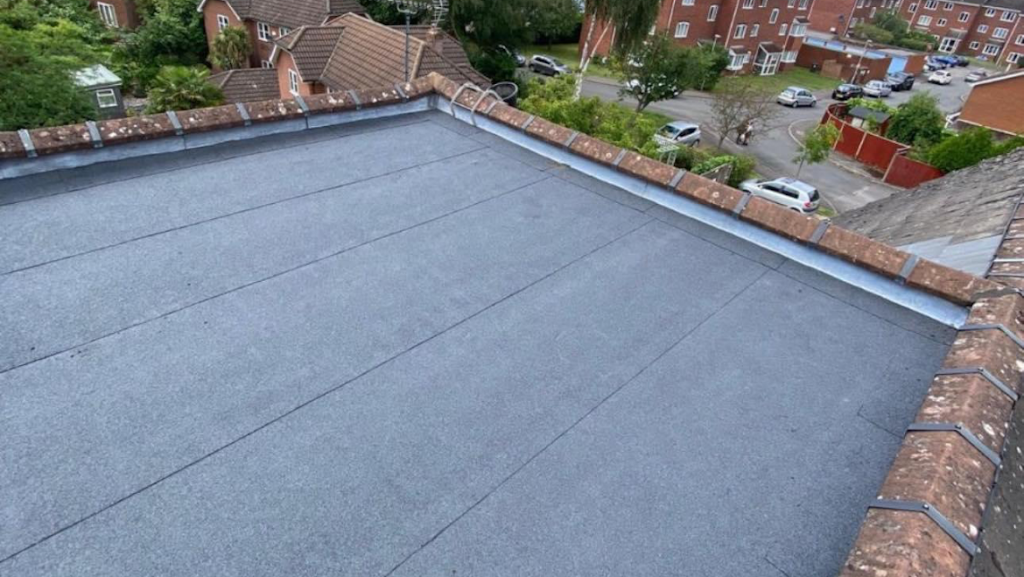
Flat roofing systems are a popular choice for residential and commercial properties in Ancaster because they offer a modern appearance, practical use of space, and cost-effective installation. However, like any roofing system, flat roofs require regular care and timely repairs to remain strong and reliable. Ignoring early warning signs can lead to leaks, structural damage, mould growth, and expensive replacement costs.
If you own a home or business with a flat roof, recognizing the signs of damage early can save you time, stress, and money. In this guide, we’ll explain the most common signs your flat roof needs immediate repair and why professional roofing services are essential for long-term protection.
Why Flat Roofs Need Regular Attention
Flat roofs are designed with a slight slope to allow water drainage, but they do not shed water as quickly as sloped roofs. Because of this, they are more vulnerable to water pooling, membrane wear, weather damage, and debris buildup.
In Ancaster, changing seasons, snow, rain, wind, and temperature fluctuations can all affect the condition of a flat roof. Without maintenance, small issues can quickly turn into serious roofing problems.
1. Ponding Water After Rain
One of the most common warning signs of flat roof trouble is standing water that remains for more than 48 hours after rainfall.
Why It Happens:
- Poor drainage systems
- Clogged drains or gutters
- Roof sagging
- Improper installation
Why It’s Serious:
Ponding water adds extra weight to the roof surface and can slowly weaken roofing materials. Over time, it may cause leaks, cracks, and structural damage.
If you notice water sitting on your roof regularly, immediate professional inspection is recommended.
2. Visible Cracks or Blisters
Flat roofing membranes can develop cracks, bubbles, or blisters over time. These are often caused by:
- Sun exposure
- Trapped moisture
- Aging materials
- Temperature changes
- Poor installation practices
Cracks allow water to enter beneath the membrane, while blisters can burst and expose the roof surface. Both problems should be repaired quickly to prevent leaks.
3. Interior Water Leaks
If water stains appear on ceilings or walls inside your property, your flat roof may already be leaking.
Signs of Interior Roof Leaks:
- Brown or yellow ceiling stains
- Peeling paint
- Damp walls
- Mold growth
- Dripping water during rainstorms
Leaks often begin small but can spread insulation damage, rot wood decking, and weaken building structures. Immediate repair is critical.
4. Sagging Roof Areas
A flat roof should remain level with proper drainage. If sections of the roof appear sunken or uneven, it may indicate structural weakness.
Causes of Sagging:
- Water damage
- Rotted decking
- Excess roof load
- Aging support materials
Sagging areas often collect water and increase the risk of collapse if ignored.
5. Damaged Flashing
Flashing seals the edges, vents, skylights, HVAC units, and roof penetrations. When flashing becomes loose, cracked, or separated, water can easily enter vulnerable areas.
Common Flashing Damage:
- Rusted metal flashing
- Lifted edges
- Sealant cracks
- Gaps around rooftop equipment
Since leaks often begin around flashing, this issue should be repaired immediately.
6. Rising Energy Bills
If your heating or cooling bills suddenly increase, your flat roof may be losing insulation performance.
Roof damage can allow moisture into insulation materials, reducing energy efficiency. Gaps or membrane damage can also allow warm or cool air to escape.
Repairing roofing issues helps restore indoor comfort and lower utility costs.
7. Mold or Mildew Growth
Moisture trapped beneath flat roofing systems can create ideal conditions for mold and mildew growth.
Warning Signs:
- Musty smells indoors
- Black spots on ceilings or walls
- Allergies worsening indoors
- Visible mold near roof areas
Mould not only damages property but can also affect indoor air quality and health.
8. Loose Seams or Membrane Separation
Many flat roofs use membrane systems such as EPDM, TPO, or modified bitumen. Over time, seams may weaken or separate.
Causes:
- Age
- Wind uplift
- Improper adhesion
- Expansion and contraction
Separated seams allow water infiltration and should be repaired quickly before widespread damage occurs.
9. Granule Loss or Surface Wear
Some flat roofing materials have protective coatings or granules. If you notice excessive wear, exposed layers, or debris in drains, your roof may be nearing failure.
Loss of surface protection accelerates UV damage and weather deterioration.
10. Roof Age
Even if no visible damage exists, older flat roofs may require repairs simply due to age.
Typical Lifespans:
- EPDM Roofs: 20–30 years
- TPO Roofs: 15–25 years
- Modified Bitumen: 15–20 years
- Built-Up Roofs: 20+ years
If your roof is approaching the end of its lifespan, regular inspections become even more important.
Why Immediate Repairs Matter
Delaying flat roof repairs can lead to:
- Higher repair costs
- Interior water damage
- Mold remediation expenses
- Structural deterioration
- Full roof replacement sooner than expected
- Business disruptions or home inconvenience
Addressing small issues early is always more affordable than emergency repairs later.
Professional Flat Roofing Repair in Ancaster
Hiring experienced roofing professionals ensures the problem is correctly diagnosed and permanently repaired.
Professional Services May Include:
- Leak detection
- Drainage correction
- Flashing replacement
- Membrane patching
- Seam sealing
- Structural reinforcement
- Preventative maintenance plans
Experienced roofers also check for hidden damage many property owners cannot easily spot.
Preventative Maintenance Tips
To extend the life of your flat roof:
- Schedule annual inspections
- Remove debris regularly
- Keep drains clear
- Repair minor damage promptly
- Inspect after storms
- Monitor indoor leak signs
- Hire licensed roofing professionals
Routine care significantly reduces emergency repair risks.
Conclusion
Flat roofs are durable and practical, but they require attention when warning signs appear. Ponding water, cracks, leaks, sagging, flashing damage, mould, and rising energy bills are all indicators that your flat roof may need immediate repair.
If you notice any of these issues on your Ancaster property, acting quickly can save you thousands in future damage. Professional flat roofing Ancaster services help protect your home or business while extending the lifespan of your roof.
Don’t wait until a small problem becomes a major emergency—schedule a flat roof inspection and repair as soon as warning signs appear.
Frequently Asked Question
1. How do I know if my flat roof needs repair?
Common signs include leaks, standing water, cracks, blistering, sagging areas, mold growth, and loose seams.
2. How long can ponding water stay on a flat roof?
Water that remains longer than 48 hours should be inspected, as it may indicate drainage issues.
3. Can a leaking flat roof be repaired instead of replaced?
Yes, many flat roof leaks can be repaired if caught early. Severe or widespread damage may require replacement.
4. How often should a flat roof be inspected?
At least once a year, plus after major storms or heavy snowfall.
5. How much does flat roof repair cost in Ancaster?
Costs depend on roof size, damage extent, and material type. Minor repairs cost far less than full replacement.
6. What is the lifespan of a flat roof?
Most flat roofs last 15 to 30 years depending on materials and maintenance.