

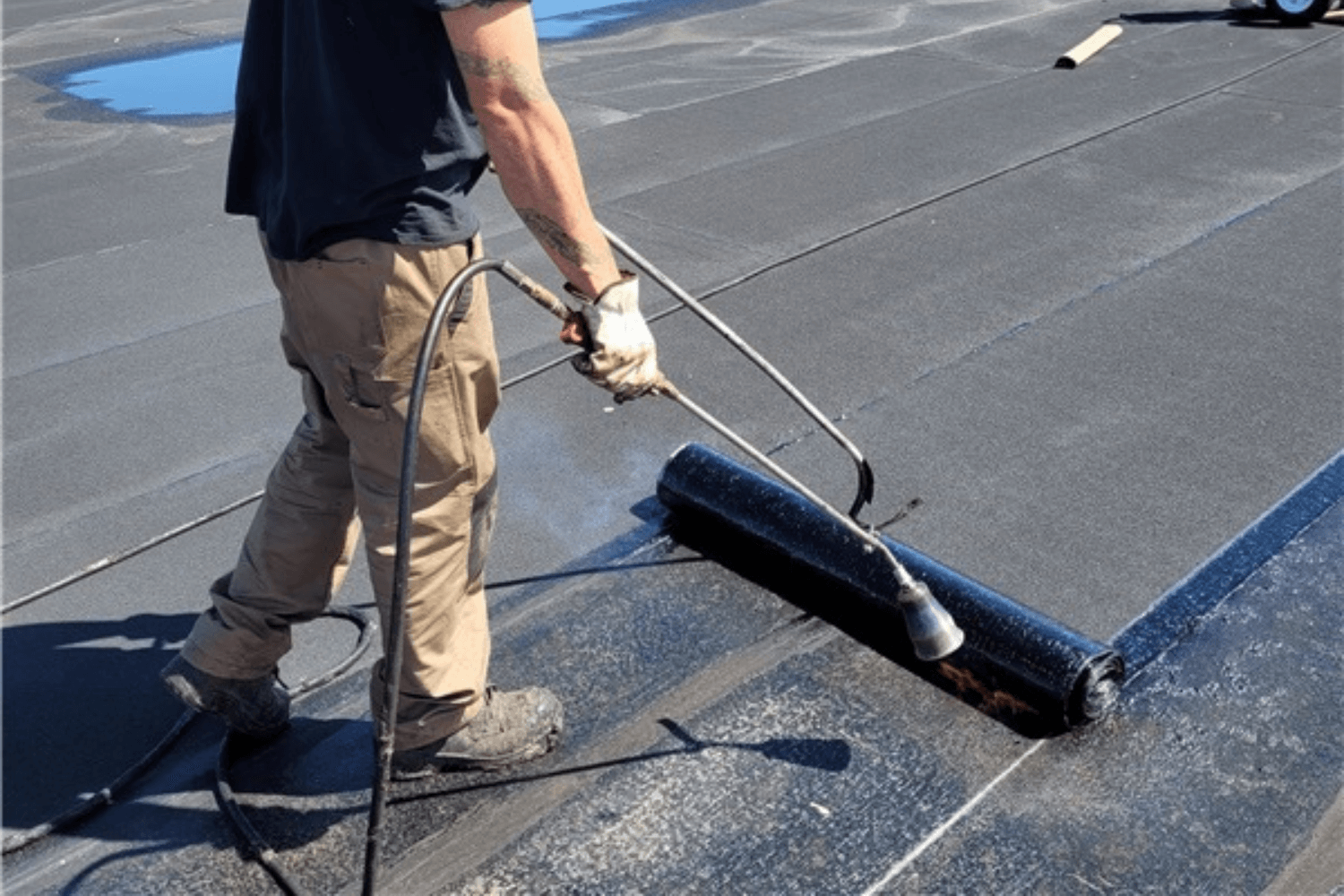
Flat roofing systems are a popular choice for both residential and commercial properties in Milton. Known for their modern appearance, cost-effectiveness, and space efficiency, flat roofs offer several advantages—but they also require proper installation and maintenance to withstand Ontario’s climate. Whether you’re considering a new flat roof or need repairs, understanding local conditions and best practices is key to protecting your investment.
How Milton’s Climate Affects Flat Roofing
Milton’s climate presents unique challenges for flat roofs. The region experiences cold winters with snow accumulation, freeze-thaw cycles, and ice buildup, while summers bring heat, humidity, and heavy rainfall.
Flat roofs are particularly vulnerable to standing water because they lack the natural slope of pitched roofs. During winter, snow can sit on the surface for extended periods, increasing structural load. When temperatures fluctuate, melting and refreezing can cause cracks or membrane damage.
In warmer months, UV rays and heat can degrade roofing materials, while heavy rain tests the drainage system. Without proper installation and maintenance, these factors can significantly reduce a flat roof’s lifespan.
Common Flat Roofing Materials in Milton
Homeowners and property managers in Milton typically choose from several flat roofing systems, each offering specific benefits:
EPDM (Rubber Roofing) EPDM is one of the most widely used flat roofing materials. It is durable, flexible, and resistant to UV radiation. It performs well in extreme temperatures and typically lasts 20–30 years.
TPO (Thermoplastic Polyolefin) TPO is known for its energy efficiency due to its reflective surface. It helps reduce cooling costs during summer and offers strong resistance to UV and chemical exposure.
Modified Bitumen This asphalt-based material is layered for enhanced durability. It performs well in colder climates and provides excellent waterproofing.
Built-Up Roofing (BUR) BUR systems consist of multiple layers of bitumen and reinforcing fabrics. They are highly durable but can be heavier and more labour-intensive to install.
Average Flat Roofing Costs in Milton
The cost of a flat roofing project in Milton depends on several factors, including roof size, material, accessibility, and labor. Here’s a general cost estimate:
Additional expenses may include insulation upgrades, removal of existing materials, or structural repairs. While upfront costs vary, investing in high-quality materials and skilled installation helps prevent frequent repairs and extends the roof’s lifespan.
Signs Your Flat Roof Needs Repair or Replacement
Flat roofs often show visible signs when issues arise. Recognizing these early can save you from costly damage:
- Pooling or standing water that doesn’t drain within 48 hours
- Cracks, blisters, or bubbles in the membrane
- Leaks or water stains inside the building
- Mold or mildew growth
- Sagging areas indicating structural stress
- Increased energy bills due to poor insulation
If these issues are localized, repairs may be sufficient. However, widespread damage or recurring leaks often indicate the need for a full replacement.
Repair vs. Replacement: What Should You Choose?
Deciding between repairing and replacing a flat roof depends on its age and condition. If your roof is relatively new and damage is minimal, targeted repairs can extend its lifespan at a lower cost.
However, if the roof is older or experiencing frequent problems, replacement may be more cost-effective in the long run. A new system eliminates recurring issues and provides improved performance, especially when upgraded materials are used.
Energy Efficiency and Flat Roofing
Energy efficiency is a major consideration for flat roofing in Milton. Reflective roofing systems like TPO can reduce heat absorption, keeping indoor spaces cooler and lowering energy bills.
Adding proper insulation beneath the roofing membrane further enhances efficiency. Well-insulated flat roofs help maintain indoor temperatures year-round, reducing both heating and cooling costs.
Green roofing options, such as rooftop gardens, are also gaining popularity. These systems improve insulation, manage stormwater, and contribute to environmental sustainability.
Choosing a Reputable Roofing Contractor in the Stoney Creek Area
Even if you’re located in Milton, many homeowners consider experienced contractors from nearby areas like Stoney Creek. Choosing the right contractor is critical for a successful flat roofing project.
Look for local experienced contractors familiar with Southern Ontario understand how to handle regional weather challenges.
Verify Licensing and Insurance Always ensure the contractor is licensed and carries liability and worker’s compensation insurance.
Check Reviews and References Online reviews and past client testimonials can provide insight into the contractor’s reliability and quality of work.
Request Detailed Estimates A professional contractor should provide a written quote outlining materials, labor, timeline, and warranty details.
Evaluate Warranty Options Choose contractors who offer both manufacturer warranties and workmanship guarantees.
Avoid contractors who offer unusually low prices or push for immediate decisions without proper documentation.
Practical Advice for Homeowners
If You’re Replacing a Flat Roof:
- Choose materials suited for Milton’s climate
- Invest in proper insulation and drainage systems
- Schedule installation during favorable weather conditions
- Review warranty terms carefully before starting the project
If You Need Repairs:
- Address issues quickly to prevent water damage
- Schedule regular inspections, especially after storms
- Keep drains and gutters clear to avoid water buildup
- Document damage for insurance claims if applicable
Routine maintenance is essential for flat roofs. Unlike sloped roofs, they require more frequent inspections to ensure proper drainage and membrane integrity.
Warranty Considerations for Flat Roofing
Understanding warranties is crucial when investing in a flat roof:
The manufacturer's warranty covers defects in materials and can last 20 years or more, depending on the product.
Workmanship warranty provided by the contractor, covering installation quality. These typically range from 5 to 15 years.
Be sure to follow maintenance guidelines, as neglect can void warranty coverage. Always keep documentation and inspection records for future reference.
Conclusion
Flat roofing in Milton offers a practical and modern solution for many properties, but it requires careful planning and maintenance to perform well in the local climate. From choosing the right materials to hiring experienced contractors, every decision impacts the longevity and efficiency of your roof.
By understanding common issues, investing in energy-efficient solutions, and staying proactive with maintenance, homeowners can maximize the value and durability of their flat roofing systems.
Frequently Asked Questions
1. How long does a flat roofing project take? Most flat roof installations or replacements take 2 to 5 days, depending on the size and complexity of the project.
2. Do I need a permit for flat roofing in Milton? Permits may be required for major structural changes. It’s best to check with local authorities or your contractor before starting.
3. Does insurance cover flat roof repairs? Insurance typically covers damage caused by unexpected events like storms, but not wear and tear. Review your policy for details.
4. How often should a flat roof be inspected? Flat roofs should be inspected at least twice a year and after severe weather conditions.
5. What is the best way to maintain a flat roof? Keep drains clear, remove debris, fix minor issues promptly, and schedule professional inspections regularly.
6. How can I reduce flat roofing costs? Compare multiple quotes, choose durable materials, and consider energy-efficient options that lower long-term expenses.