

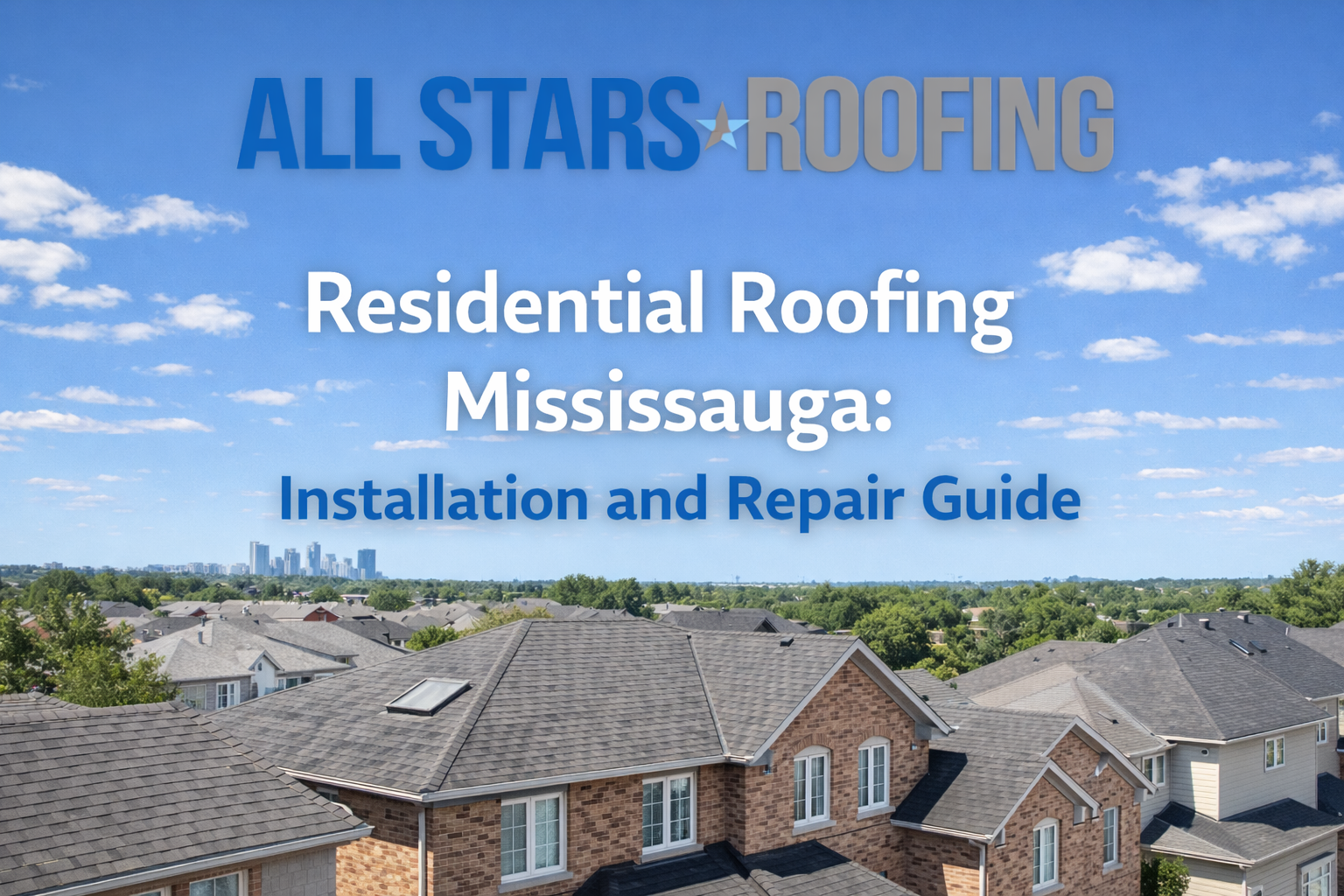
A strong and well-maintained roof is one of the most important parts of any home. It protects your property from weather damage, improves energy efficiency, and enhances the overall value of your house. For homeowners in Mississauga, having a reliable residential roofing system is especially important due to changing weather conditions throughout the year.
From heavy snow in winter to strong winds and rain during other seasons, roofs in Mississauga face constant environmental stress. Understanding how residential roofing installation and repair works can help homeowners make better decisions about protecting their property.
This guide explains the key aspects of residential roofing, including installation methods, common repair issues, maintenance tips, and how to extend the life of your roof.
Importance of Residential Roofing
Your roof serves as the first line of defense against outdoor elements. A properly installed and maintained roof helps prevent:
Water leaks
Structural damage
Mold and mildew growth
Energy loss
Interior damage
Without proper care, roofing issues can quickly escalate into expensive repairs. Regular inspections and timely repairs ensure your roof continues to perform effectively.
Common Residential Roofing Materials
Choosing the right roofing material is one of the most important decisions homeowners make during installation or replacement.
Asphalt Shingles
Asphalt shingles are the most widely used residential roofing material. They are affordable, durable, and available in a variety of styles and colors.
Benefits include:
Cost-effective installation
Good weather resistance
Easy repairs
Wide availability
Most asphalt shingle roofs last between 20 and 30 years when properly maintained.
Metal Roofing
Metal roofing is becoming increasingly popular for residential properties due to its durability and modern appearance.
Advantages include:
Long lifespan (40–70 years)
Excellent weather resistance
Energy efficiency
Low maintenance requirements
Metal roofs also reflect sunlight, which can help reduce cooling costs during summer.
Flat Roofing Systems
Some residential properties, especially modern homes and extensions, use flat roofing systems.
Common flat roofing materials include:
Modified bitumen
EPDM rubber roofing
TPO membranes
These systems require proper drainage and regular maintenance to prevent water pooling.
Residential Roof Installation Process
Installing a new roof involves several important steps. Professional roofing contractors follow a structured process to ensure durability and long-term performance.
Roof Inspection
Before installation begins, the existing roof structure is inspected. Contractors check for damage to the decking, insulation, and ventilation systems.
Removing Old Roofing Materials
If replacing an existing roof, the old shingles or roofing materials are removed to expose the underlying structure.
Deck Preparation
The roof deck is repaired or reinforced if necessary to provide a stable base for the new roofing system.
Underlayment Installation
A waterproof underlayment layer is applied to protect the roof from moisture.
Shingle or Roofing Material Installation
The chosen roofing material is installed carefully, ensuring proper alignment and secure fastening.
Flashing and Vent Installation
Flashing is installed around chimneys, vents, and roof edges to prevent water penetration.
Final Inspection
Once installation is complete, the roof is inspected to ensure proper sealing and structural integrity.
Proper installation significantly improves the lifespan and performance of your roof.
Common Residential Roofing Problems
Even well-built roofs may develop issues over time due to weather exposure and natural aging.
Roof Leaks
Leaks are one of the most common roofing problems. They may occur due to damaged shingles, cracked flashing, or clogged gutters.
Missing or Damaged Shingles
Strong winds or storms can loosen or remove shingles, exposing the roof deck to moisture.
Poor Ventilation
Improper attic ventilation can cause heat and moisture buildup, which may damage roofing materials over time.
Ice Dams
During winter, ice dams can form along roof edges, preventing melting snow from draining properly. This can lead to water infiltration.
Sagging Roof Areas
Structural issues or prolonged water damage can cause sections of the roof to sag.
Addressing these issues early prevents more serious damage to your home.
Residential Roof Repair Options
Many roofing problems can be repaired without replacing the entire roof.
Shingle Replacement
Damaged or missing shingles can be replaced individually to restore protection.
Leak Repairs
Roof leaks can often be fixed by sealing cracks, replacing flashing, or repairing damaged underlayment.
Flashing Repairs
Flashing around chimneys, skylights, and vents may need resealing or replacement.
Gutter and Drainage Improvements
Proper drainage prevents water accumulation and protects roofing materials.
Professional roofing contractors can assess the damage and recommend the most effective repair solution.
Signs Your Roof Needs Immediate Attention
Homeowners should watch for warning signs that indicate roofing problems.
Common indicators include:
Water stains on ceilings or walls
Mold or mildew growth in the attic
Missing or curling shingles
Granules accumulating in gutters
Increased energy bills
Visible roof sagging
If you notice any of these issues, scheduling a professional inspection is recommended.
Roof Maintenance Tips for Homeowners
Regular maintenance can significantly extend the life of your residential roof.
Inspect Your Roof Twice a Year
Spring and fall are ideal times to check for damage caused by seasonal weather changes.
Clean Gutters Regularly
Clogged gutters prevent proper water drainage and may lead to leaks.
Trim Overhanging Tree Branches
Branches rubbing against the roof can damage shingles during windy conditions.
Remove Debris from the Roof
Leaves and debris can trap moisture and accelerate roof deterioration.
Schedule Professional Inspections
Professional inspections can identify hidden issues that homeowners may not notice.
Consistent maintenance helps prevent costly repairs and prolongs roof lifespan.
When to Consider Roof Replacement
Sometimes repairing a roof is no longer practical, and replacement becomes the better option.
Signs you may need a roof replacement include:
Roof older than 20–25 years
Frequent leaks or repairs
Extensive shingle damage
Visible structural deterioration
A new roof provides improved protection, energy efficiency, and increased property value.
Benefits of Hiring Professional Roofing Contractors
Residential roofing requires specialized skills and safety precautions. Professional contractors offer several advantages:
Proper installation techniques
Compliance with building codes
Access to quality materials
Accurate problem diagnosis
Safe working procedures
Experienced roofers ensure your roof is installed or repaired correctly, reducing the risk of future issues.
Conclusion
Residential roofing in Mississauga plays a crucial role in protecting homes in Mississauga from harsh weather conditions. From installation to repairs and routine maintenance, understanding how roofing systems work helps homeowners make informed decisions about their property.
Whether you are installing a new roof, repairing damage, or maintaining an existing system, professional expertise is essential for achieving long-term performance and reliability.
By investing in regular inspections and timely repairs, homeowners can extend the life of their roof and maintain the safety and comfort of their home.
Frequently Asked Questions
1. How long does a residential roof typically last?
Most residential roofs last between 20 and 30 years, depending on the materials used and the level of maintenance.
2. How often should I inspect my roof?
Roof inspections are recommended twice a year, usually in spring and fall, and after major storms.
3. What is the most common cause of roof leaks?
The most common causes include damaged shingles, cracked flashing, and clogged gutters that prevent proper drainage.
4. Can I repair my roof myself?
Small repairs may be possible, but roofing work can be dangerous. Professional contractors ensure repairs are done safely and correctly.
5. How do I know if my roof needs replacement?
Frequent leaks, significant shingle damage, or a roof older than 20–25 years may indicate it is time for replacement.