

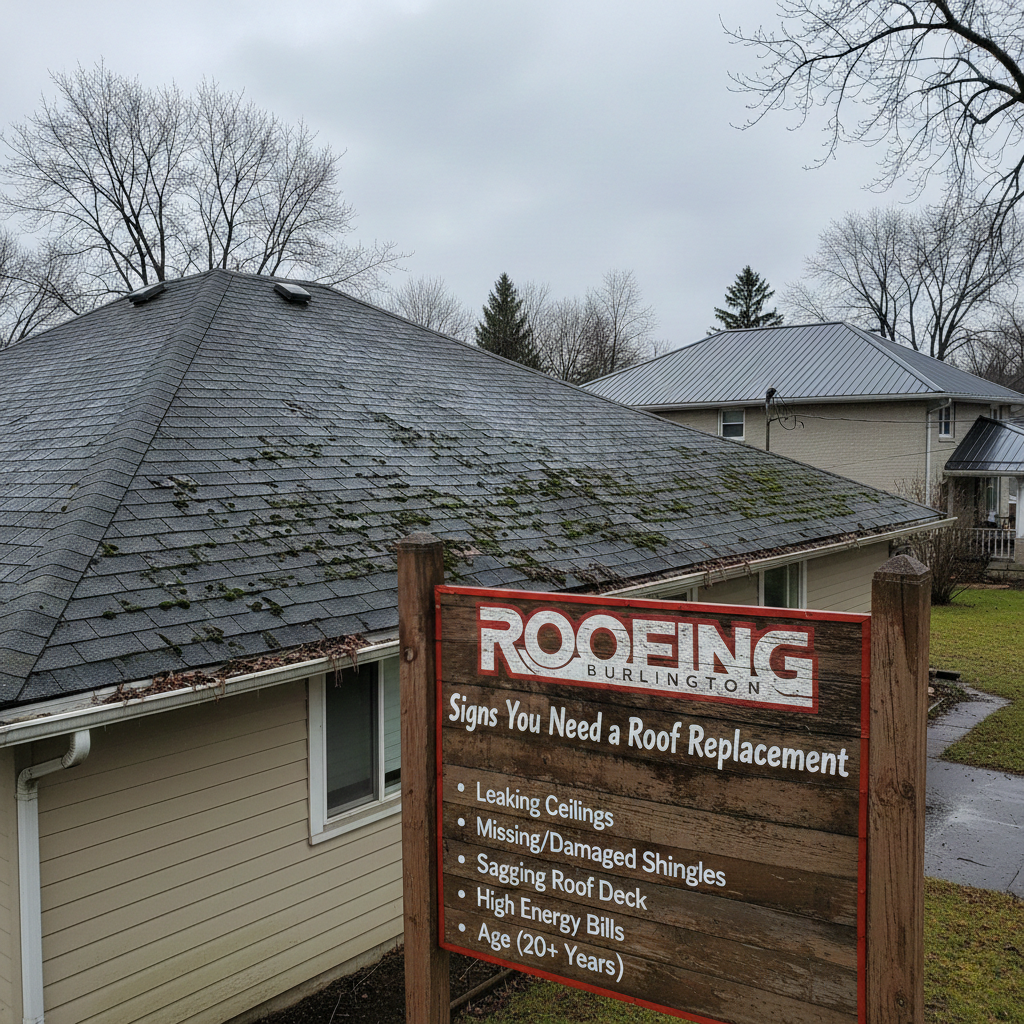
Your roof plays a critical role in protecting your home from harsh weather, moisture, and structural damage. Over time, even the best roofing systems begin to wear out. For homeowners looking for Roofing Burlington services, knowing the warning signs of a failing roof can help prevent costly repairs and interior damage.
If you live in Burlington, your roof must handle heavy snow, ice buildup, rainstorms, strong winds, and hot summer temperatures. These changing seasons can slowly weaken roofing materials. Understanding when to repair and when to replace your roof is essential for protecting your investment.
Below are the most common signs that you may need a roof replacement.
1. Your Roof Is Over 20–25 Years Old
One of the biggest indicators that you may need a roof replacement is age. Most asphalt shingle roofs last between 20 and 25 years, depending on installation quality and maintenance.
If your roof is approaching this age range, it’s wise to schedule a professional inspection. Even if there are no visible leaks, older roofing materials may have weakened underneath the surface.
In Burlington, freeze-thaw cycles can speed up aging. Ice forms, melts, and refreezes, which causes expansion and contraction. Over time, this process reduces the lifespan of roofing materials.
2. Missing or Damaged Shingles
Take a look at your roof from ground level. Do you see:
Missing shingles?
Cracked or curled edges?
Shingles lifting during windy days?
These are strong warning signs. While replacing a few shingles is manageable, widespread damage may indicate deeper structural issues.
Strong winds and heavy storms common in the Burlington area can loosen shingles. If damage is extensive across multiple sections, a full roof replacement may be more cost-effective than repeated repairs.
3. Granules in Your Gutters
Asphalt shingles are coated with protective granules. These granules protect against UV rays and improve durability. Over time, shingles naturally lose granules.
If you notice excessive granules collecting in your gutters or around downspouts, your roof may be nearing the end of its life. Granule loss exposes shingles to sun damage and accelerates deterioration.
Homeowners in Burlington often notice this issue after heavy rainfall or snowmelt.
4. Roof Leaks and Water Stains
Water stains on ceilings or walls are clear warning signs of roofing problems. Even small leaks can lead to:
Mold growth
Insulation damage
Wood rot
Structural weakening
If leaks continue even after repairs, it may be time for a full replacement. Repeated patchwork repairs can become more expensive than investing in a new roofing system.
5. Sagging Roof Structure
A sagging roof is a serious issue. It may indicate:
Trapped moisture
Rotting roof decking
Structural damage
Long-term water infiltration
If you notice dips or uneven sections in your roofline, contact a professional immediately. A sagging roof often requires replacement rather than simple repairs.
6. Light Coming Through the Attic
Visit your attic during the daytime and turn off the lights. If you see sunlight coming through the roof boards, it means there are gaps or holes in your roofing system.
You may also notice:
Damp insulation
Musty odors
Signs of water penetration
These issues suggest that your roof’s protective barrier is compromised.
7. Increasing Energy Bills
An aging or damaged roof can affect your home’s energy efficiency. Poor ventilation and insulation caused by roofing deterioration allow heat to escape in winter and enter during summer.
In Burlington, where temperatures vary significantly between seasons, this can lead to higher heating and cooling costs.
Replacing your roof can improve insulation performance and reduce monthly energy expenses.
8. Moss or Algae Growth
Moss and algae thrive in damp environments. If you see green patches or dark streaks on your roof, moisture may be trapped beneath the shingles.
While minor algae growth can be cleaned, widespread moss often signals trapped moisture. Over time, this moisture can damage roofing materials and lead to rot.
Homes surrounded by trees are especially vulnerable due to shade and limited sunlight exposure.
9. Storm Damage
Severe weather events can cause sudden roof failure. After major windstorms or hail, check for:
Missing shingles
Dents or cracks
Debris damage
Lifted flashing
If damage affects large portions of your roof, replacement may be safer and more durable than ongoing repairs.
10. Frequent Repairs
If you are calling a roofing contractor every year for new repairs, your roof may be reaching the end of its lifespan. While minor repairs are normal, frequent issues suggest overall system failure.
Instead of spending money repeatedly fixing small problems, investing in a new roof can provide long-term savings and peace of mind.
11. Damaged Flashing
Flashing seals areas around chimneys, skylights, vents, and valleys. If flashing is cracked, rusted, or separating, leaks can develop.
Older roofs often have cement-based flashing that deteriorates over time. Modern replacement systems use more durable materials designed to last longer.
12. Roof Valleys Are Worn Out
Roof valleys are critical areas where two slopes meet. They guide water toward gutters. If shingles in the valley area are cracked, missing, or deteriorated, water may seep underneath.
Since valleys handle large volumes of water during rain and snowmelt, damage in these areas often indicates the need for replacement.
Why Timely Roof Replacement Matters
Delaying roof replacement can lead to serious consequences:
Interior water damage
Mold growth
Structural wood rot
Reduced property value
Higher insurance risks
A new roof not only protects your home but also improves curb appeal and resale value.
For homeowners in Burlington, replacing an aging roof before severe winter weather arrives can prevent emergency repairs during snow season.
Benefits of Replacing Your Roof
Investing in a new roof offers several advantages:
1. Improved Protection
New materials provide better resistance to wind, rain, and snow.
2. Better Energy Efficiency
Modern roofing systems improve insulation and ventilation.
3. Enhanced Appearance
A new roof significantly boosts curb appeal.
4. Increased Property Value
Buyers prefer homes with recently replaced roofs.
5. Manufacturer Warranties
New roofing systems often include long-term material warranties.
When to Schedule a Roof Inspection
If you notice any of the warning signs mentioned above, schedule a professional inspection. Even if your roof appears fine from the outside, underlying issues may exist.
Experts recommend:
Annual roof inspections
Inspections after major storms
Attic checks for moisture or light gaps
Early detection can help you plan for replacement before damage becomes severe.
Conclusion
Your roof is your home’s first line of defense against the elements. Recognizing the signs of wear and damage can help you avoid expensive structural problems.
If your roof in Burlington is aging, leaking, sagging, or frequently needing repairs, it may be time to consider a full replacement. Acting early ensures your home stays safe, dry, and energy-efficient throughout every season.
Investing in professional Roofing Burlington services today can protect your property for decades to come.
Frequently Asked Questions
1. How long does a typical roof last in Burlington?
Most asphalt shingle roofs last 20–25 years. Weather conditions, maintenance, and installation quality affect lifespan.
2. Can I replace only part of my roof?
Partial replacement is possible, but if damage is widespread or the roof is old, a full replacement is often more cost-effective.
3. How do I know if I need repair or replacement?
If damage is minor and localized, repair may work. If issues are widespread or recurring, replacement is usually recommended.
4. How long does roof replacement take?
Most residential roof replacements take 1–3 days, depending on size and complexity.
5. Will insurance cover roof replacement?
Insurance may cover replacement if damage is caused by storms or sudden events. Wear and tear due to aging is typically not covered.